
Writing About Place
What draws you in

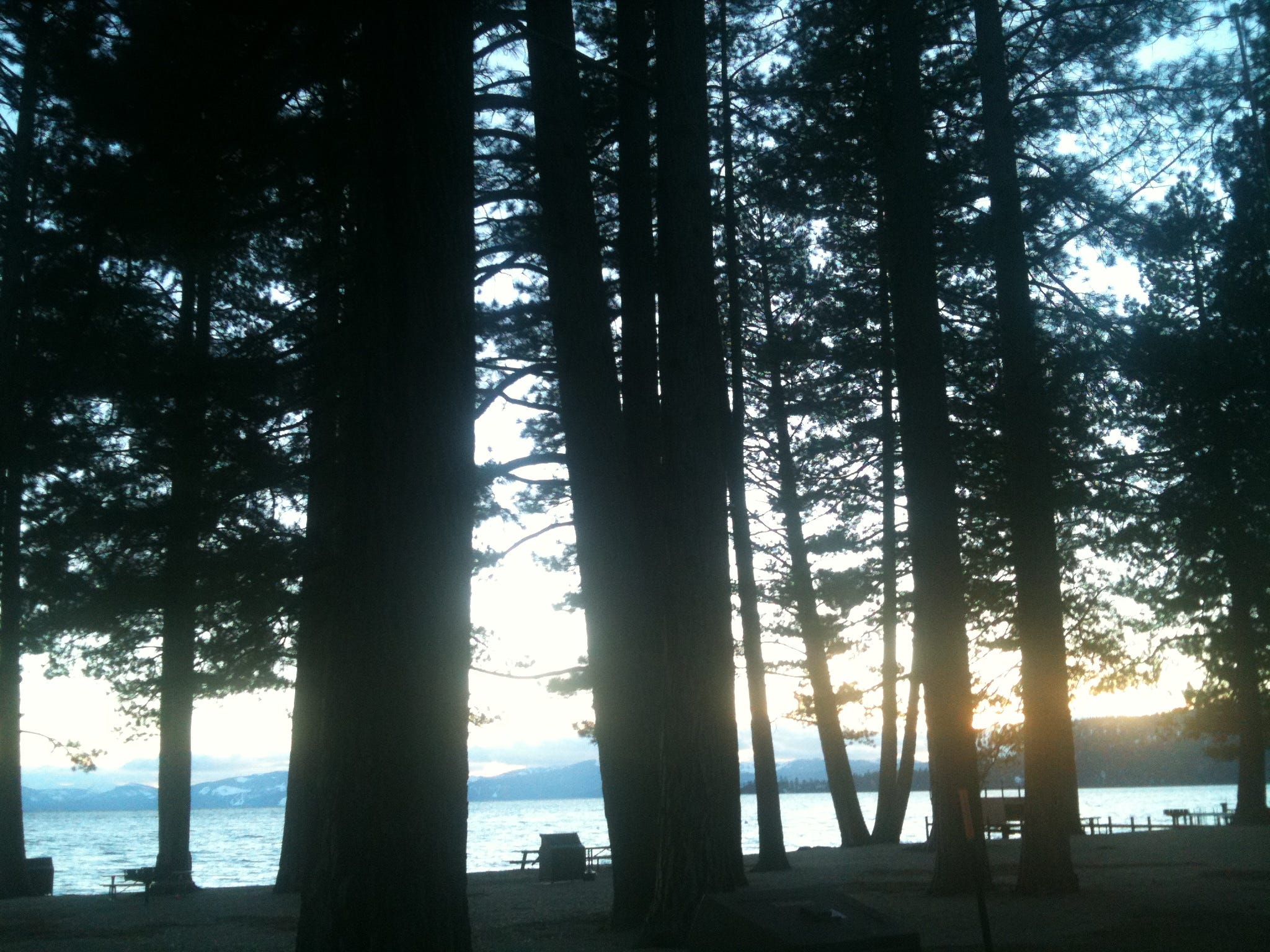
(photo: Lake Tahoe, Incline Village, Nevada, Kelle Groom)
This week I published two very different essays about place and was surprised by the commonalities. Each has a body of water at its center (pond, lake), each is searching for something (a person, how to live in a new environment), and each begins with a grounding in place followed by a conversation.
“The Assessor’s Office” which appears in “The Ground Beneath Us: Place, Power, & Resistance” issue of About Place Journal (Black Earth Institute) is a part of my manuscript, The Year Without Summer, a search for my Wampanoag ancestors on Cape Cod. This essay begins with a trip to Yarmouth to meet with the Town Assessor who agreed to speak with me regarding Thomas Greenough, my 5th great-grandfather, and his loss of reservation land.
“Mountain Girl” was published by StoryQuarterly, Issue #58 and tonally is very different from “The Assessor’s Office.” I had come to live on a mountain after a lifetime at sea level. I was a visiting writer / assistant professor for a year and felt very much a stranger in a strange land. Bumping into the university president’s wife in the town grocery store, my arms full of firewood (though I had never made a fire) she said I had a lot to learn. She said she could help me but guessed I’d have to learn it all on my own. Why?! In any case, I tried, and writing about my clumsy, absurd trying in this gloriously beautiful landscape struck me as very funny. It was a joy to lean into the humor as I wrote.
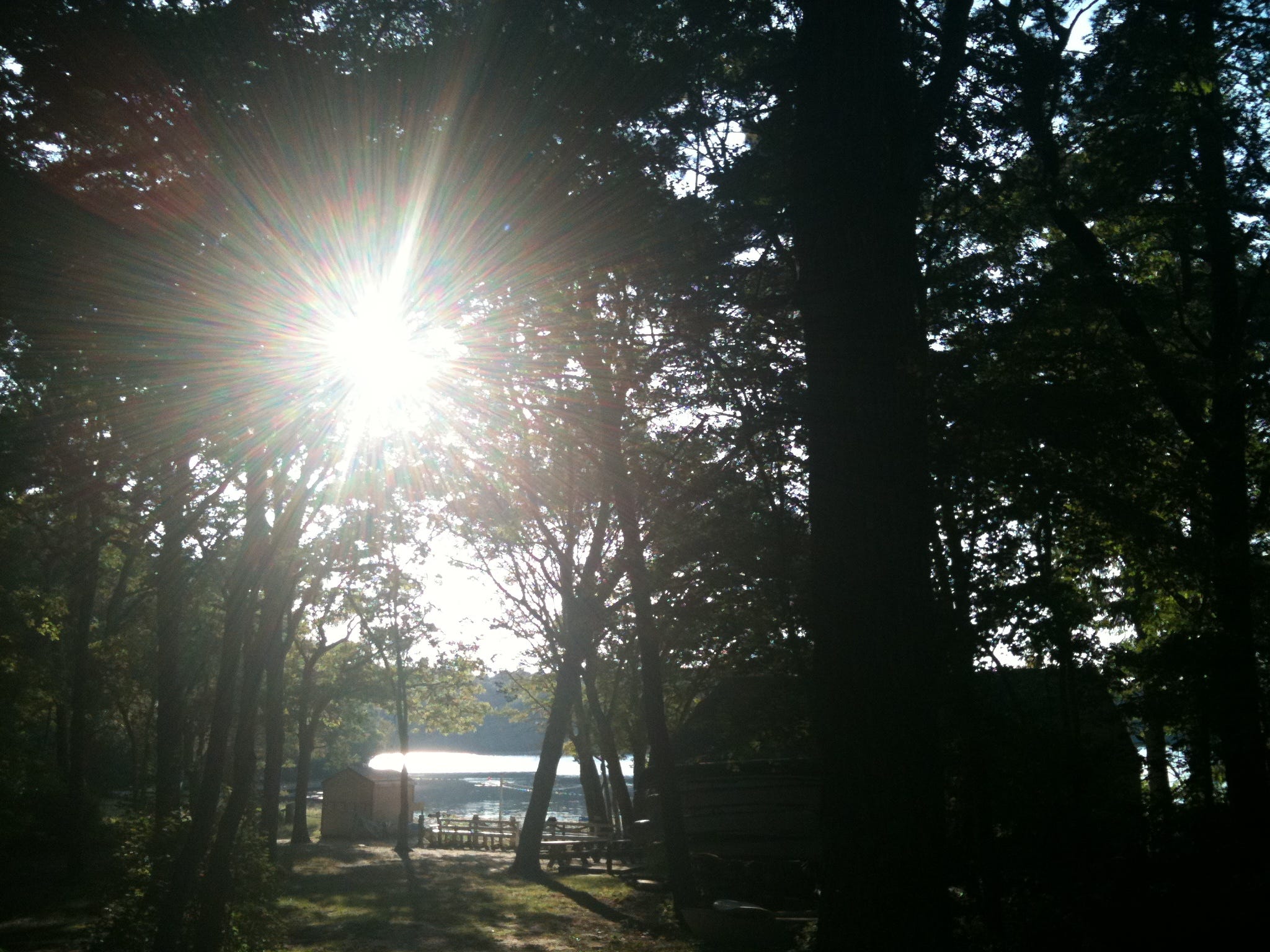
(photo: Greenough’s Pond, Yarmouth, MA, Kelle Groom)
“The Assessor’s Office” begins:
It’s August, cool early morning air off the bay in Wellfleet. I’m visiting my parents. Their place named for Billingsgate Island, south of Great Island. If it still existed, I could see Billingsgate from their front door, but a storm cut the island in half. Early in the last century, houses were floated across the bay to Wellfleet. A sandbar still appears at low-tide. You can sail to it, have a picnic. Forget what it’s like to disappear.
I’d phoned Matt, the Town Assessor for Yarmouth, to ask about Thomas Greenough, a relative. He was ordered off reservation land, I say. He came to Town Hall in 1779 to fight the ejectment. He’d been 42 years old.
At Town Hall, I tell Matt that Thomas Greenough died in the almshouse. Oh, Alms House Road, he says. The almshouse burned down in 1932. On a big tract of land up against marsh and ocean. In 1831, Yarmouth voted to keep its poor in an almshouse, when people didn’t want to live on the open water. But now, Matt says, It’s prime land. The town just bought it for $790,000.
What will it be used for?
Just that, he says. It’s conservation land, to be preserved as it is. He says, If we hadn’t bought it, someone would have built a gargantuan mansion.
He draws a map to the Alms House on a yellow Post-it.
You can read “The Assessor’s Office” HERE
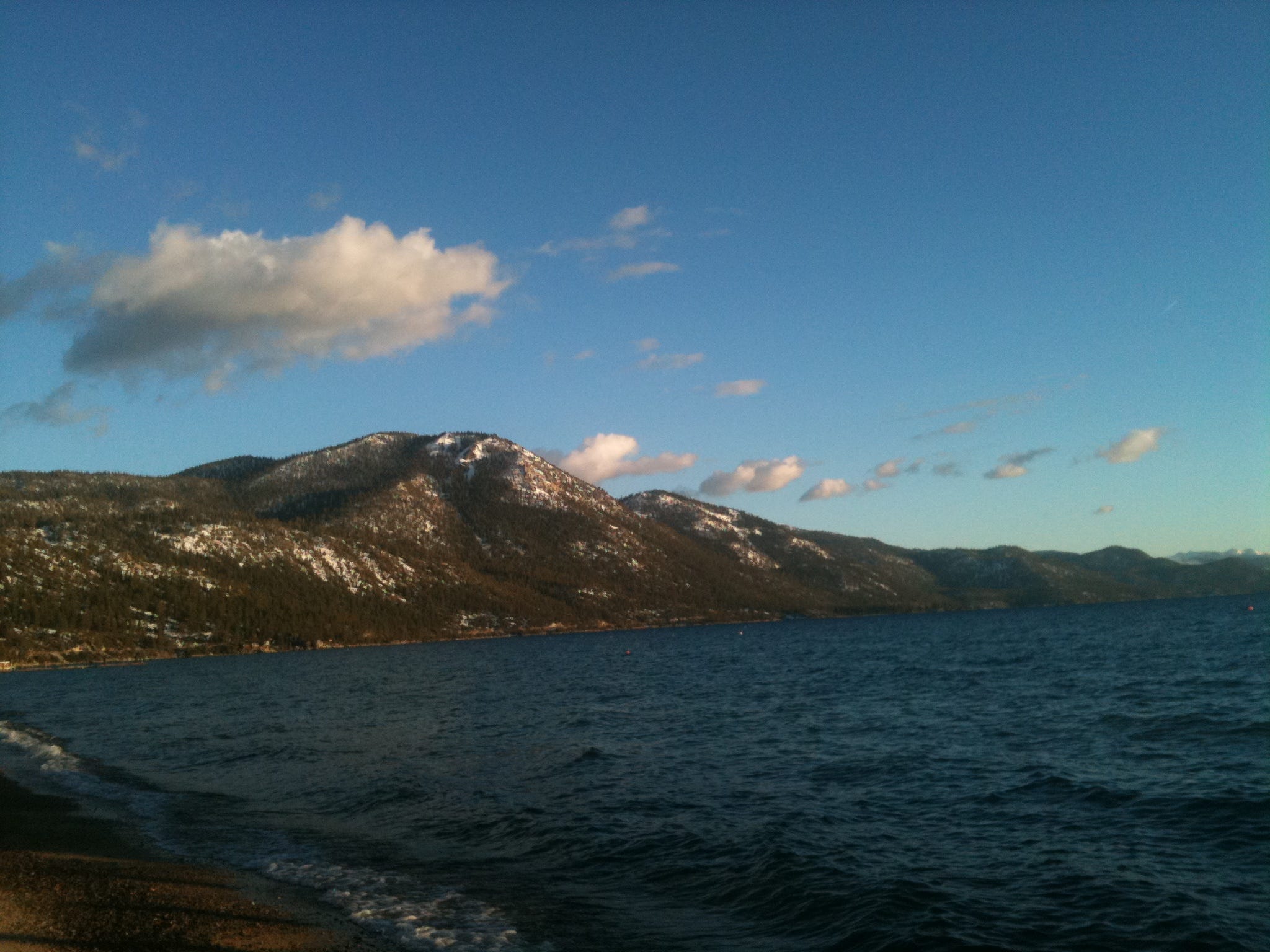
“Mountain Girl” begins:
The lake is held within the mountain as if within hands. Spring – around the lake, flowers the size of poppyseeds and eyelashes bloom. Pink, purple, yellow. All here for the first time. Delicate, watery white pink petals like some softness deep in the body. Vein glint of leaves. A whole tree of light. Pollen washed like yellow paint out onto the sidewalk. In my condo complex, it coats the windows of my car in gold dust.
House numbers on oblong boards are nailed into bark, as if someone can own the tree. The lakefront hidden by the houses of the rich, the castle on sale for seventeen million. Fence after fence. Sometimes from the sidewalk, I can see blue right through house windows. Wall-sized sheets of glass, two and three stories high. The lake blue appearing makes the house seem to disappear. An illusion over the lake.
I’m trying to learn the trees – all the pines: Jeffrey (vanilla resin, biggest pine cones with inward sharp points, brownie crust bark), Ponderosa (reddish bark), Sugar Pine (tallest, long cones, tan bark), Incense-Cedar (lacy). White firs like Christmas trees. Mountain alders with tiny cones. Lupine, a cane of wildflowers. One snow plant scarlet shine with big opening scales, like a small red waxy pineapple.
*
“You’ve fallen in the creek. Now you’re a mountain girl,” June said as we walked to the parking lot after graduation.
You can read “Mountain Girl” HERE
----------
In writing these essays, I was not analytical. I did not think oh, I’ll ground the reader and then someone will speak. I begin with the thing that draws me in and let it lead me.
Is there a place that you need to write about? What is it that draws you in? Start there.